
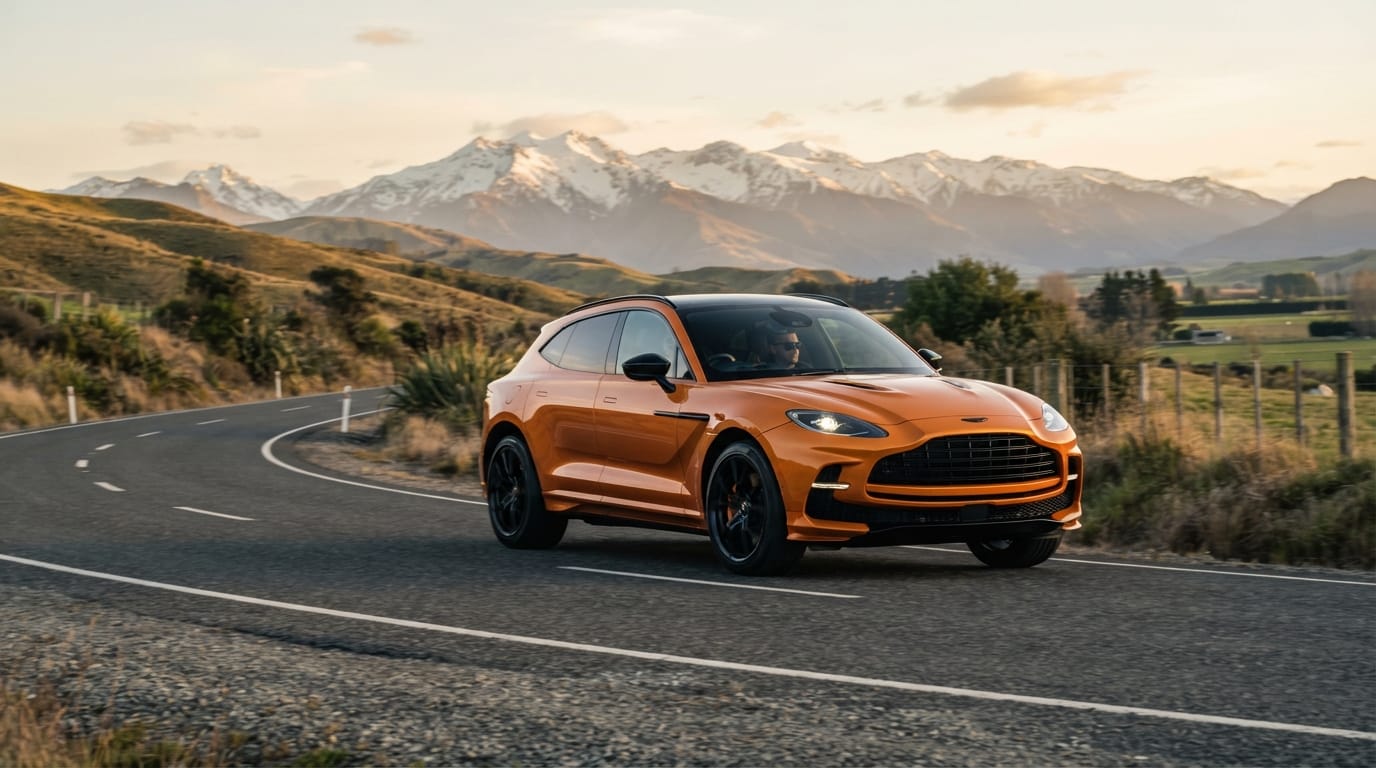
McLaren is entering one of the biggest transitions in its road-car history. In September 2026, the company confirmed a major expansion programme that will take the brand beyond the two-seat supercars that have defined its modern identity. The most attention-grabbing part of that plan is an upcoming performance SUV, McLaren’s first move into a segment already occupied by models such as the Lamborghini Urus and Aston Martin DBX.
For New Zealand enthusiasts, the timing is especially interesting. McLaren has also refreshed its global identity around the story of founder Bruce McLaren, including the return of the famous “Speedy Kiwi” symbol. That gives this business announcement a strong local connection. McLaren may be a global performance brand headquartered in Britain, but its story began with a New Zealander whose ideas about engineering, racing, and constant improvement still shape the company.
The change also reflects a wider shift in the performance-car market. Buyers increasingly want speed and drama without giving up comfort, luggage space, technology, or everyday usability. That same trend is already visible in hybrid supercars in New Zealand, where electrification is being used to improve response and flexibility rather than simply replace the emotional side of driving.
Why McLaren Is Expanding Beyond Two-Seat Supercars
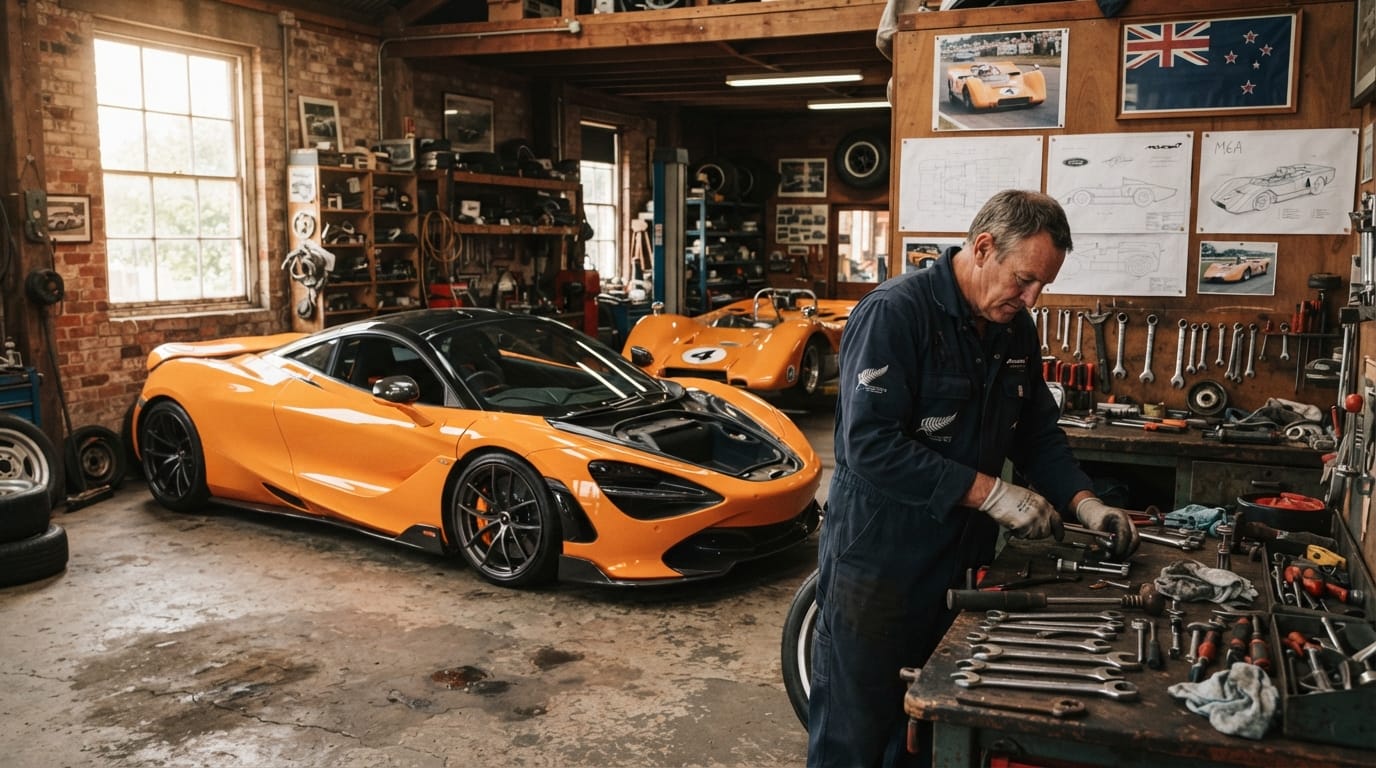
For decades, the McLaren road-car formula has been easy to understand: low seating position, lightweight construction, mid-mounted engines, advanced aerodynamics, and a strong focus on driver involvement. Cars such as the F1, 12C, 720S, Artura, and W1 all approach the idea differently, but they share the same basic philosophy. They are designed around performance first.
An SUV seems like a dramatic departure from that formula. However, the luxury-performance market has already shown why brands are interested in broader vehicle types. Customers who love exotic cars may also need rear seats, easier entry, better luggage capacity, and a vehicle that can handle daily life. A performance SUV lets a brand serve that customer without asking them to leave the marque when they need something more practical.
McLaren’s challenge will be making the vehicle feel like more than a high-priced luxury SUV with a familiar badge. The company will need to translate its core strengths—lightweight thinking, strong power delivery, responsive handling, and distinctive design—into a larger and more useful package.
A £500 Million Investment Changes the Road-Car Strategy
McLaren confirmed in September 2026 that it plans to invest £500 million in its United Kingdom manufacturing and engineering operations. The programme includes expanded production capacity, more in-house development, and the creation of a broader product range. McLaren has specifically said it will move beyond two-seat supercars with an upcoming performance SUV.
That makes the SUV more than a side project. It is part of a larger attempt to build a more sustainable road-car business while keeping the brand positioned at the high end of the performance market. The company is also investing in engines, transmissions, manufacturing, paint facilities, and carbon-fibre capability.
For enthusiasts, that matters because a healthier manufacturer can invest more heavily in future sports cars. An SUV may attract a different type of buyer, but the revenue and scale it creates can help support the low-volume machines that define the brand’s reputation. For the primary source, see McLaren’s official 2026 announcement.
Why an SUV Can Still Fit the McLaren Formula
The idea of a supercar company building an SUV is no longer unusual. The important question is whether the finished product carries the same character as the brand’s sports cars. For McLaren, that will likely mean keeping mass under control, delivering immediate acceleration, and making steering and chassis response feel more connected than a conventional luxury utility vehicle.
That is also why the upcoming model is relevant to driving enthusiasts rather than only luxury buyers. If McLaren can make a taller, heavier vehicle feel agile and precise, the project could demonstrate how far modern chassis technology has progressed.
What the Move Says About Modern Luxury Performance
The performance market is no longer divided neatly between practical cars and exciting cars. Buyers increasingly expect one vehicle to do both jobs. A modern performance SUV can carry passengers during the week, travel long distances comfortably, and still deliver acceleration that would have been considered supercar territory only a few years ago.
That does not mean the traditional supercar is disappearing. Instead, the category is becoming wider. Customers can now choose between focused two-seaters, grand tourers, hybrid exotics, high-performance SUVs, and ultra-fast electric vehicles. The common thread is not body style. It is the ability to make an ordinary journey feel special.
Why the Speedy Kiwi Story Matters in New Zealand
McLaren’s refreshed 2026 identity gives the expansion another layer of relevance for New Zealand. The brand is placing renewed attention on Bruce McLaren’s origins, including the “Speedy Kiwi” emblem associated with its early racing history. That is significant because Bruce McLaren was not simply a successful driver. He was an engineer, team founder, designer, and relentless experimenter.
For Kiwi enthusiasts, the new branding turns a global corporate change into something more familiar. McLaren’s modern cars may be built on the other side of the world, yet the brand’s identity is still tied to the mindset of a New Zealander who believed performance could always be improved.
Bruce McLaren’s Heritage Gives the Story Local Relevance
That heritage also fits naturally with Christchurch’s growing performance-car culture. The city now hosts major motorsport activity at Ruapuna, while local drivers have access to scenic Canterbury roads that reward smooth inputs and thoughtful driving. The excitement is not limited to racing at maximum speed. It is about understanding what a well-engineered performance car feels like.
Anyone considering a first exotic-car experience can also read our guide to why supercars handle differently from everyday cars. It explains why throttle response, braking, steering, tyres, and weight distribution can make a high-performance car feel completely different even at normal road speeds.
What McLaren’s New Direction Means for Christchurch Supercar Fans
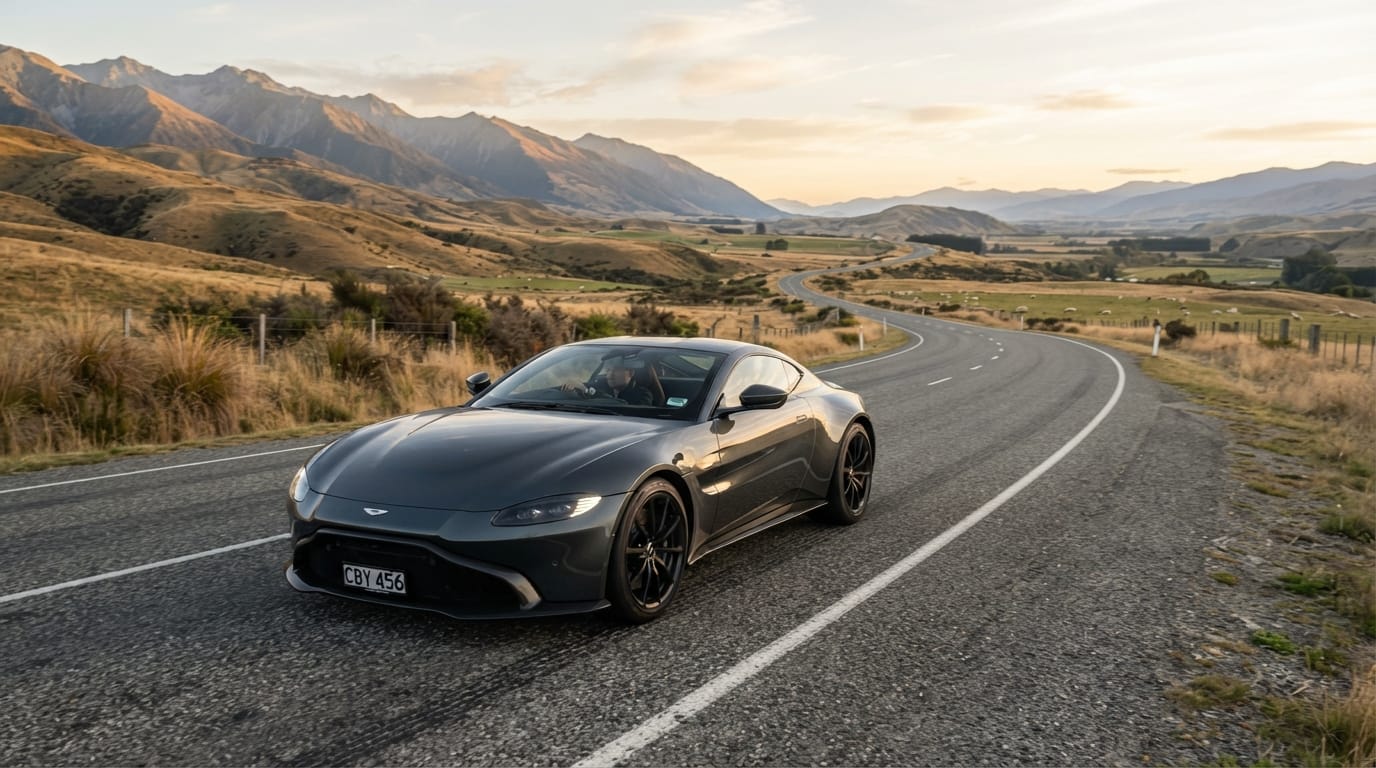
Christchurch supercar fans do not need to wait for McLaren’s future SUV to understand the trend behind it. The same shift toward usable performance is already happening across the industry. Porsche has added hybrid technology to the 911 Turbo S. Lamborghini has paired a naturally aspirated V12 with electric assistance in the Revuelto family. Ferrari and McLaren have both used hybrid systems to add performance while keeping the emotional character of an exotic car.
For drivers, this means future dream cars may be faster and easier to live with at the same time. Better traction systems, active suspension, hybrid torque, smarter stability control, and improved cabin technology can make high-performance cars more approachable without making them ordinary.
That is especially relevant on public roads around Canterbury. The best supercar experience is not about chasing the highest possible speed. It is about the combination of response, sound, steering feel, scenery, and the sense of occasion that starts before the car even moves.
Future Supercars Are Becoming More Usable Without Losing Emotion
McLaren’s first performance SUV will test whether the company can stretch its identity without weakening it. If the car feels distinctive, light on its feet, and genuinely engaging, it could bring the brand to customers who previously admired McLaren but could not justify a two-seat exotic.
The wider lesson is that practicality and emotion are no longer opposites. A performance vehicle can offer space, comfort, and modern technology while still delivering the reactions enthusiasts want. That is one reason the definition of a “supercar experience” is becoming broader in 2026.
Drivers who want to compare different styles of exotic performance can explore our guide to top supercars you can drive in Christchurch and where to take them. The right choice depends less on which badge has the highest number and more on what kind of drive you want to remember.
The Best Christchurch Experience Still Comes Back to the Drive
Whether the future vehicle is a low two-seat McLaren or a family-sized performance SUV, the strongest connection between car and driver still happens on the road. Christchurch is well suited to that experience because scenic routes are close to the city, while Canterbury offers a mix of open landscapes, flowing corners, coastal views, and destination drives.
McLaren’s 2026 expansion shows how quickly the performance world is changing. The company is preparing to build a broader range, invest heavily in British manufacturing, and carry Bruce McLaren’s “Speedy Kiwi” heritage into a new era. For New Zealand enthusiasts, that creates a rare combination of future technology and local history.
The body style may change. The market may change. The powertrain may change. What matters is whether the finished machine still makes the driver want to take the long way home. That has always been the heart of McLaren, and it is the standard its first performance SUV will have to meet.