
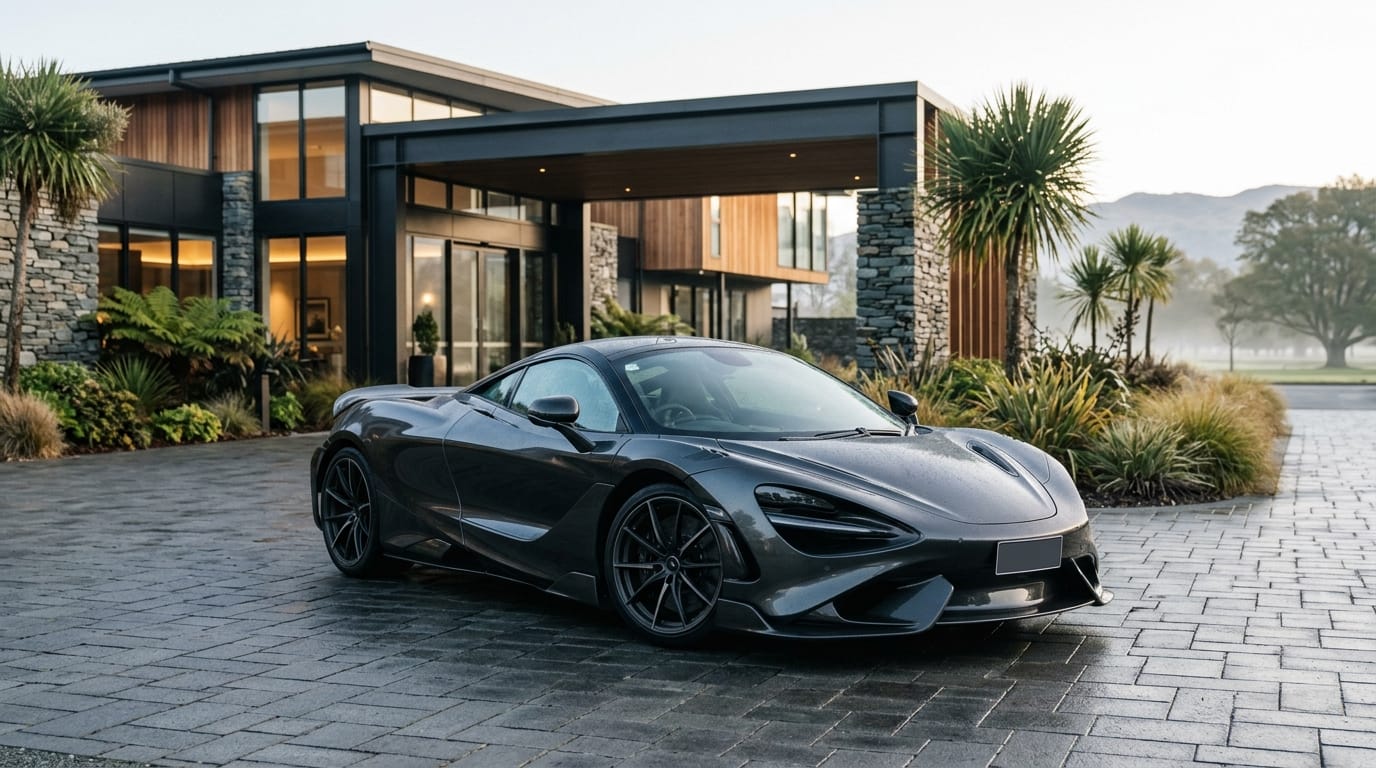
Christchurch supercar rental insurance is one of the most important details to understand before booking a premium driving experience. An exotic vehicle can turn a Canterbury holiday into an unforgettable occasion. However, the financial responsibilities in a rental agreement deserve as much attention as the car itself.
High-performance vehicles can involve expensive repairs, specialized components, and strict rental conditions. A driver who understands the agreement can approach the experience with greater confidence.
In New Zealand, rental contracts normally explain how damage liability, insurance arrangements, deposits, and additional charges work.
This 2026 guide explains rental excess, liability reduction products, common exclusions, and practical questions to ask before accepting the keys.
Understanding Supercar Rental Insurance in Christchurch
Insurance arrangements can vary considerably between vehicle providers. Some include basic protection within the quoted price, while others offer optional products that reduce certain financial risks.
Never assume that an expensive rental automatically includes comprehensive cover with no excess.
The most useful starting point is the written agreement. Read the document carefully and clarify any terms you do not understand before paying.
What does rental insurance excess actually mean?

An insurance excess is generally the amount a customer must contribute toward an eligible claim before insurance responds, subject to the policy and contract.
However, rental agreements sometimes use excess, damage liability, and bond to describe different things.
A security bond may temporarily reserve funds on your payment card. Your damage liability could be higher or lower than that amount.
Ask the provider to explain each figure separately.
Understand the difference between deposits and damage liability
A deposit may secure a reservation, while a bond or card authorization may support obligations during the hire period.
Neither necessarily represents the maximum you could owe after damage.
For example, a provider may require a refundable security hold while applying a separate insurance excess to qualifying claims.
Other charges may apply under specified contract provisions.
Before booking, request written details about payment timing, refund conditions, card holds, and damage responsibilities.
Use the provider’s official agreement rather than relying on a general description from social media.
Why supercar damage can cost more to repair
Performance vehicles may use specialized body panels, expensive lighting components, large wheels, and sophisticated driver assistance equipment.
Some repairs require manufacturer-specific parts or technicians with particular expertise.
Consequently, seemingly minor damage can involve a substantial repair bill.
Low ground clearance also creates additional concerns around steep driveways, road obstacles, and uneven parking areas.
Understanding those risks encourages careful route selection and realistic expectations.
For broader preparation advice, read our Christchurch supercar hire visitor checklist.
Review exclusions before choosing additional cover
Insurance protection does not necessarily apply to every incident.
Exclusions may concern unauthorized drivers, restricted surfaces, impaired driving, vehicle misuse, or conduct that breaches the contract.
Other conditions may address windscreen damage, tires, underbody impacts, towing, or loss of keys.
The exact wording matters more than the product’s marketing name.
Questions to ask about excess reduction products
Some rental providers offer products that reduce the customer’s liability for particular kinds of damage.
Ask how much the product costs and what excess remains after purchasing it.
Then check whether it covers wheels, tires, glass, roof panels, and underbody components.
Confirm whether an incident involving a single vehicle is treated differently from a collision with another vehicle.
Do not assume that the words full protection mean unlimited cover.
New Zealand’s Consumer Protection rental-car guidance recommends checking costs, exclusions, and liability arrangements before signing.
Check whether travel insurance offers relevant protection
Some travel insurance policies include rental vehicle excess reimbursement.
However, a standard travel policy may exclude high-value, exotic, or specialist vehicles.
Check the precise definition of an eligible rental vehicle.
Ask about any excess reimbursement limit and whether the policy requires you to pay the rental company before seeking reimbursement.
Also check geographic limits, driver requirements, and exclusions for particular road conditions.
Purchase cover only after confirming that it suits the planned experience.
How to Protect Yourself Before and During the Rental
Good preparation can reduce disagreements and help drivers respond appropriately if something goes wrong.
Start with a careful vehicle inspection, follow the agreement, and keep important records.
The goal is not to anticipate disaster. It is to make the driving experience easier to enjoy without uncertainty over basic responsibilities.
Build a pre-rental inspection and documentation routine
Before taking possession of the vehicle, walk around it with the provider’s representative.
Look for scratches, dents, wheel marks, windshield chips, interior damage, and anything unusual around the tires.
Take photographs if the agreement permits them, and ensure the inspection report describes existing damage accurately.
Ask how to report a problem discovered shortly after departure.
Keep the handover documents and emergency contact instructions accessible.
What to do if a rental supercar is damaged
Prioritize everyone’s safety and follow New Zealand’s road incident requirements.
If an emergency occurs, contact the appropriate emergency services.
Notify the rental provider using the procedure in your agreement.
Document the circumstances accurately when safe and practical, including photographs and relevant contact details.
Do not authorize major repairs or towing arrangements without understanding the provider’s instructions, unless immediate action is necessary for safety.
Avoid making assumptions about who caused the incident before the facts become clear.
Follow authorized driver requirements
A rental agreement may restrict driving to people whose names appear on the contract.
Confirm age, licence, experience, and additional-driver requirements before booking.
Do not allow an unauthorized friend or family member to drive simply because they hold a valid licence.
A breach could affect the rental agreement and relevant insurance arrangements.
For overseas visitors, review current driving eligibility requirements through NZ Transport Agency Waka Kotahi.
Choose roads that suit a low sports car
Supercars often have low front bumpers, wide tires, and limited clearance.
Steep ramps, gravel roads, and poorly maintained entrances may be unsuitable.
Ask the provider about prohibited routes and parking restrictions.
Plan your stops before departure, particularly if you intend to visit a rural property or accommodation with a steep driveway.
For inspiration, explore our motorsport-to-road experience guide, which emphasizes enjoying performance cars responsibly.
Understand how return inspections work
Ask whether the provider inspects the vehicle immediately upon return or completes further checks afterward.
Confirm the process for fuel charges, late returns, cleaning fees, and damage reports.
Keep copies of the final inspection where available.
If the provider raises a new charge, request the contractual basis and supporting documentation.
Consumers should approach genuine disputes calmly and preserve their records.
Compare the full price instead of only the daily rate
A low advertised rental price does not always represent the total expense.
Consider mileage allowances, additional driver fees, optional protection, deposits, and potential delivery charges.
Check fuel requirements and cancellation rules.
When comparing providers, use the same rental duration and coverage assumptions.
A clear total-price comparison gives a better picture than a headline rate alone.
Know your consumer rights in New Zealand

New Zealand’s Consumer Protection agency explains that rental vehicles must generally meet applicable consumer guarantees, including acceptable quality and fitness for their intended purpose.
Consumers also have protections concerning misleading representations and unfair contract terms.
However, a dispute’s outcome depends on the agreement and the facts.
Keep written correspondence and seek appropriate consumer assistance when necessary.
Make safety part of the premium experience
A high-performance car deserves a calm, controlled approach.
Adjust the seat and mirrors before moving, understand the controls, and allow time to become familiar with the brakes.
Follow posted speed limits and keep left on New Zealand roads.
Never treat a public highway like a racing circuit.
Enjoy the engineering, comfort, and scenery rather than trying to explore the vehicle’s maximum performance.
Final rental insurance checklist
Before confirming a booking, verify the total price, security hold, damage excess, insurance exclusions, and permitted drivers.
Ask about restricted roads, cancellation rights, vehicle inspection procedures, and the incident reporting process.
Read every document before signing and save copies afterward.
Christchurch supercar rental insurance may initially seem complicated, but asking clear questions makes the subject more manageable.
When you understand your financial responsibilities, you can focus on what matters most: enjoying a memorable, responsible luxury driving experience in Canterbury.
Editorial disclaimer: This article provides general consumer information. Insurance arrangements, exclusions, and contractual obligations differ between providers. This website is an educational resource and does not confirm current vehicle availability or offer personalized insurance advice.