
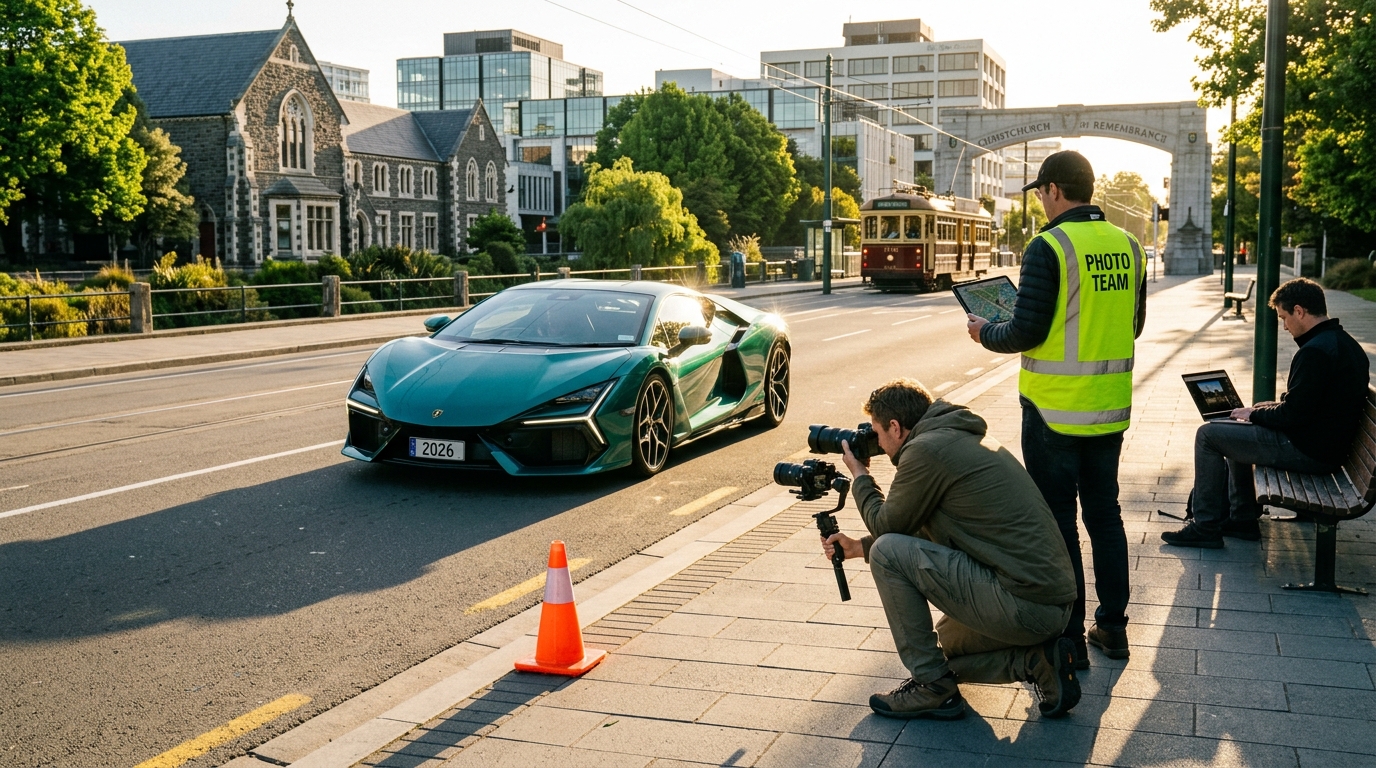
Christchurch supercar photography in 2026 offers an opportunity to combine premium automotive design with the remarkable scenery of Canterbury. An exotic vehicle already attracts attention, but the right composition can turn an ordinary snapshot into a polished photograph.
From sleek body lines to distinctive interiors, supercars contain details that deserve careful visual treatment. Yet successful photography involves more than choosing an expensive camera.
Lighting, background selection, vehicle preparation, and safe parking all influence the result.
Whether you want photographs for a personal collection, social media, a special occasion, or an authorized commercial project, a little planning makes a major difference.
This guide explains how to capture memorable images without disrupting traffic, damaging the vehicle, or ignoring location rules.
How to Photograph a Supercar in Christchurch
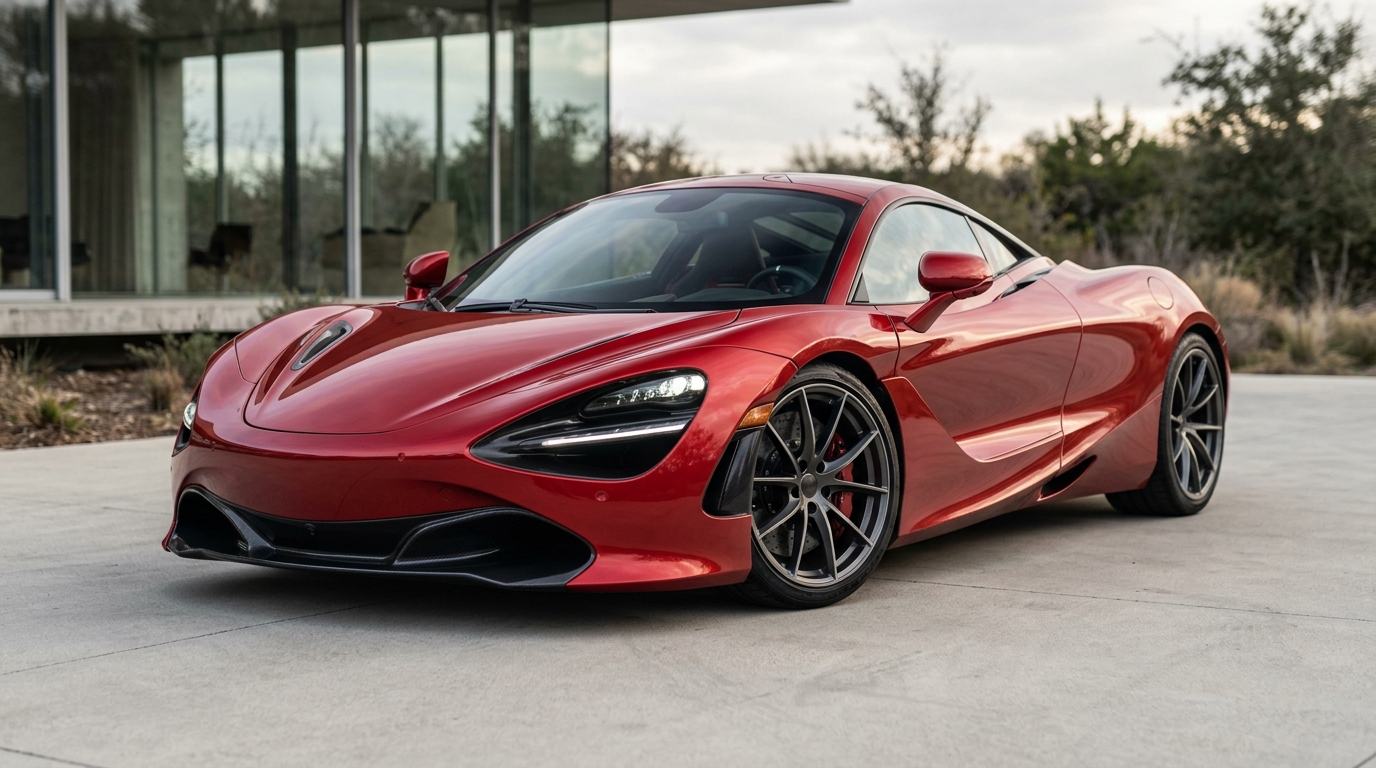
The best automotive images begin with an understanding of the subject.
Every car has distinctive features, including headlights, wheel designs, body proportions, and interior finishes.
Before taking photographs, walk around the parked vehicle and decide which features you want to emphasize.
Then examine the light and surrounding background. Small changes in camera position can produce dramatically different results.
Choose flattering automotive photography angles
A low three-quarter angle remains a useful starting point for many vehicles.
It allows the photograph to show the front of the car, one side, and the relationship between the wheels and body.
However, no single angle suits every model.
Some vehicles look particularly strong in profile, while others benefit from a carefully centered front view.
Experiment with several compositions before moving to another location.
Use camera height to emphasize vehicle design
Photographing near headlight height can make the vehicle feel more dramatic.
A slightly higher perspective may work better when you want to show the bonnet, cabin, or surrounding scenery.
Keep the camera level when photographing strong horizontal lines.
Watch for distortion near the edges of wide-angle photographs.
A smartphone’s ultrawide camera can make the vehicle look stretched when positioned too close.
Step back when possible and compare the standard lens with the wider view.
Find clean backgrounds around the parked vehicle
Cluttered backgrounds can weaken a beautiful automotive photograph.
Light poles, traffic signs, pedestrians, and unrelated cars may appear to grow out of the vehicle’s roofline.
Before taking the picture, check what appears behind the subject.
Move a few steps to create a cleaner composition rather than asking someone to reposition the vehicle unnecessarily.
Look for attractive buildings, natural textures, or distant scenery that complement the car.
For context on premium vehicle presentation, see our quiet luxury supercar experience guide.
Improve your photographs with natural lighting
Light influences how paint, glass, carbon fiber, and polished metal appear in photographs.
Harsh midday sunlight can create strong reflections that hide body contours.
Softer morning or evening light often makes detailed paintwork easier to capture.
However, the ideal setting depends on the vehicle color and the desired visual style.
Why golden hour works well for exotic cars
Golden hour occurs around sunrise and sunset, when sunlight reaches the landscape at a lower angle.
The warm light can highlight curves and create attractive shadows along the body.
For dark paint, consider a position that reveals the shape without losing detail in deep shadows.
For pale or metallic paint, check that reflections do not overwhelm the highlights.
Take a series of exposures when the light changes quickly.
Always choose a lawful and secure parking location before concentrating on photography.
How to Plan a Safe Luxury Automotive Photo Session
A memorable photo session requires coordination as well as artistic skill.
Decide whether the project involves a stationary vehicle, portraits with a driver, or professional promotional imagery.
Different objectives may involve different permissions, equipment, and budgets.
For rental vehicles, confirm that photography and any proposed commercial use comply with the agreement.
Prepare the vehicle, location, and equipment
Clean windows and visible body panels before shooting if the owner or provider permits it.
Use suitable automotive cleaning materials rather than ordinary household products that could damage finishes.
Remove loose personal items from view and make sure doors, bonnet panels, and windows are closed unless the owner approves a specific arrangement.
Check camera batteries, memory cards, and phone storage before leaving.
Follow a practical automotive photography checklist
Begin with one clean photograph of the entire vehicle.
Next, capture a front three-quarter view, a side profile, and a rear perspective.
Then photograph distinctive design details, such as wheel patterns, headlights, seats, and the steering wheel.
For portraits, ask the person where they feel comfortable standing or sitting.
Finally, review the photographs before ending the session so you can correct exposure or composition problems while the vehicle remains available.
Choose safe places for stationary car photography
Never stop a vehicle in an active traffic lane, on a blind corner, or where parking is prohibited.
Do not obstruct footpaths, cycle lanes, business entrances, or emergency access routes.
Check whether a location is public or private property and obtain permission when required.
Be particularly careful with low sports cars near kerbs, gravel, steep ramps, and uneven ground.
A good photograph is not worth a collision, a fine, or damage to the vehicle.
Understand commercial photography permissions
Personal travel photographs and commercial advertising projects may involve different rules.
Some locations require permits or specific approvals for professional filming or commercial photography.
If your project involves lighting equipment, drones, large crews, or exclusive use of a space, check the relevant requirements well in advance.
Rental agreements may also restrict advertising or promotional use of the vehicle.
Do not assume that paying to drive a car automatically grants unrestricted commercial image rights.
Take better smartphone photographs
A modern smartphone can produce attractive car photographs when used carefully.
Clean the lens before shooting and tap the vehicle to set focus.
Reduce exposure slightly if bright paint or glass loses detail.
Keep the camera steady, especially in shaded areas.
Portrait mode may create artificial blur around mirrors or other complex vehicle shapes, so review the edges carefully.
Use the standard camera when computational effects create unrealistic results.
Capture interior details respectfully
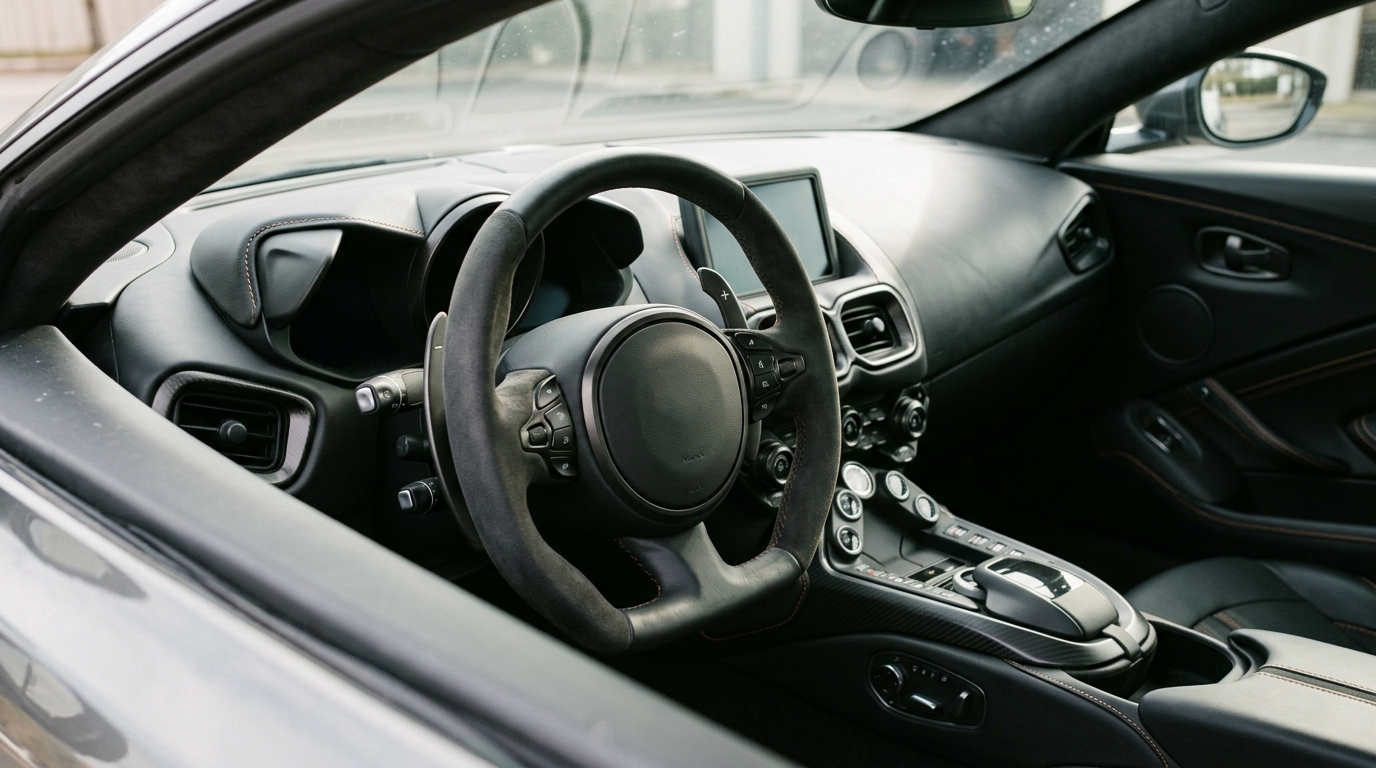
Interior photographs can tell an important part of the vehicle’s story.
Look for interesting stitching, steering-wheel design, instrument displays, and seat materials.
Ask permission before entering the cabin or touching controls.
Never change vehicle settings solely for a photograph unless the provider agrees.
Avoid exposing personal documents, navigation history, private addresses, or other sensitive information on screens.
Simple, carefully framed details often look more refined than an overly complicated composition.
Use reflections creatively
Exotic bodywork often features reflective paint and curved surfaces.
Those elements can produce striking photographs, but uncontrolled reflections may reveal the photographer or distracting objects.
Move around the vehicle to understand how the light behaves.
Consider photographing reflections of clouds or landscape features where the effect looks natural.
When editing, avoid removing defining vehicle details or creating misleading changes to the actual car.
Approach night photography carefully
Night photography can create a dramatic atmosphere with urban lighting.
However, low light requires careful exposure and stable camera handling.
Use a tripod only in locations where it is allowed and where equipment does not obstruct people.
For stationary vehicles, a slower shutter speed may work when the camera remains steady.
Check highlights from headlights and nearby signs.
Keep equipment secure and remain aware of your surroundings.
Do not stage dangerous driving for photographs
A photo shoot must never encourage speeding, burnouts, unsafe overtaking, or risky driving manoeuvres on public roads.
Rolling photographs require special planning and safe, lawful conditions.
Professional automotive media teams sometimes work in controlled environments or obtain necessary permissions.
For most enthusiasts, stationary images offer plenty of creative possibilities without traffic-related risks.
The NZTA Road Code speed-limit guidance explains why drivers must match their speed to both the law and conditions.
Plan image formats for different platforms
Landscape photographs work well for websites, desktop banners, and editorial articles.
Vertical photographs suit many social media stories and short-form video covers.
Square crops can help maintain consistency across a gallery.
Photograph a little wider than necessary when you expect to use several different formats.
Keep the vehicle’s main features away from the extreme edges so important details survive cropping.
Edit with a consistent visual style
Begin with basic adjustments to exposure, contrast, white balance, and cropping.
Correct distracting color casts while maintaining a believable representation of the paint.
Excessive sharpening or saturation can make a premium image look artificial.
Compare several photographs together to create a cohesive gallery.
Save original files separately from exported versions so future edits remain possible.
Credit photographers and vehicle owners
When sharing photographs publicly, credit the creator according to the agreed arrangement.
Ask how the owner would like their vehicle identified.
Do not imply that a rental supercar belongs to a person who merely drove it for a short experience.
Respect requests involving privacy or commercially sensitive details.
For related ideas about showcasing automotive experiences, explore our motorsport-to-road experience article.
Make the experience more memorable
Good automotive photography records more than the appearance of a car.
It can capture anticipation, personal achievement, a scenic setting, and the atmosphere of a special occasion.
Balance full-car photographs with natural human moments and landscape details.
Leave time to enjoy the experience without constantly looking through a camera.
Christchurch supercar photography in 2026 rewards patience, thoughtful preparation, and respect for the vehicle.
By combining clean composition, flattering light, safe locations, and consistent editing, enthusiasts can create photographs that remain memorable long after the drive ends.
Editorial note: This guide is for educational purposes. Confirm property permissions, applicable photography rules, and vehicle-use conditions before organizing a commercial or private photo shoot.