
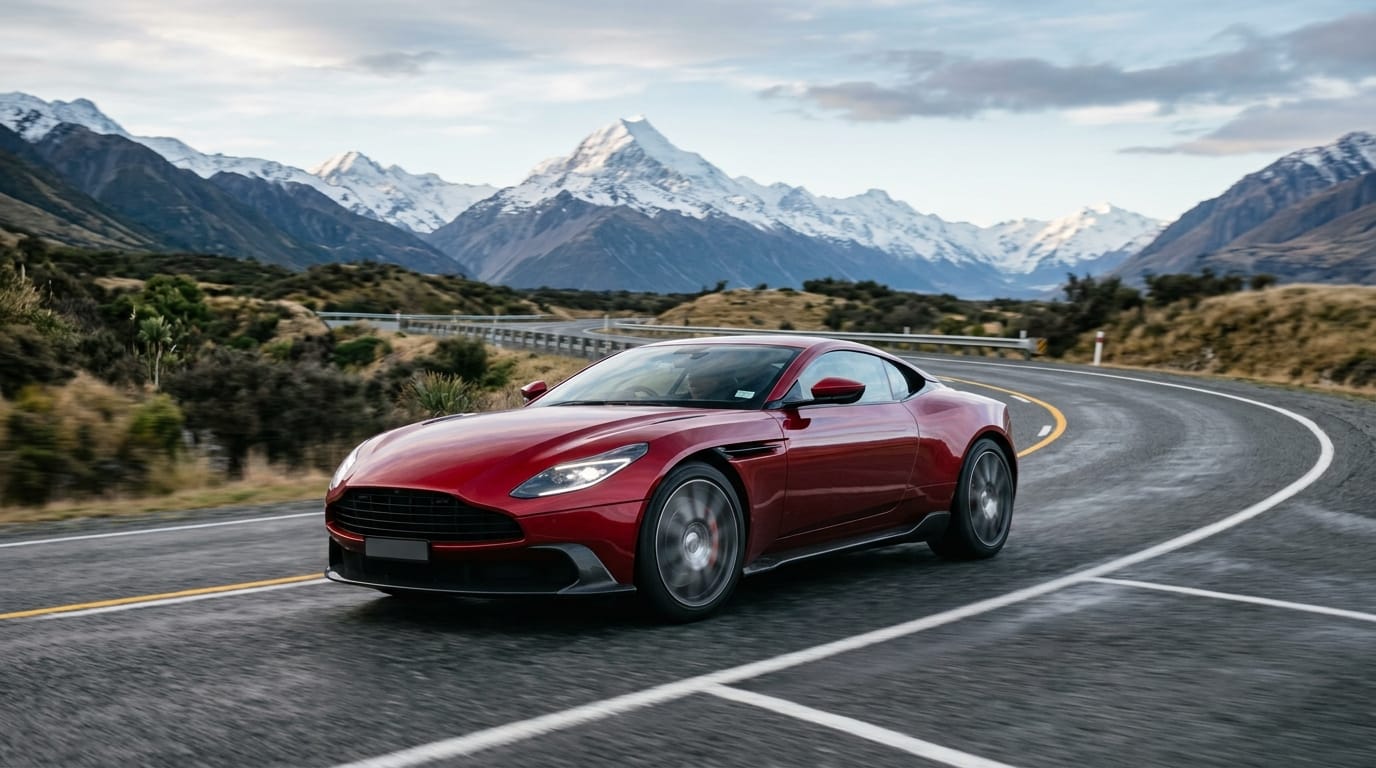
There is a moment every first-time supercar driver remembers — the second you press the accelerator and the world outside the windscreen suddenly moves faster than your brain expected. It is thrilling, but it is also a signal. A supercar is not just a faster version of your daily car. It is a completely different machine that responds to your inputs in ways an everyday vehicle never would. Understanding why supercars handle so differently is the key to enjoying the experience safely, whether you are booking a scenic drive or stepping into your dream car for the first time.
What Makes a Supercar Feel So Different
Every day, cars are engineered around comfort, efficiency, and forgiveness. They smooth out your mistakes. Supercars are engineered around performance, and that single difference changes everything about how they behave on the road. The gap between the two is far wider than most people expect until they are behind the wheel.
Power That Arrives Instantly
A typical family car might produce 120 to 150 horsepower, delivered gently and predictably. Many supercars produce three to five times that figure, and they deliver it almost the instant you touch the throttle. There is no gentle build-up. The car reacts to your right foot with a sharpness that can catch even experienced drivers. A small movement that would do nothing in a hatchback can send a supercar surging forward, which is exactly why smoothness matters so much more.
Featherweight Builds and Rigid Frames
Supercars are built to be light and stiff. Carbon-fibre panels, minimal sound insulation, and firm suspension all help the car respond instantly, but they also remove the cushioning that makes everyday driving feel relaxed. You feel every ripple in the tarmac. The steering is direct and alive. That connection is part of the magic, yet it also means the car demands your full attention at all times.
Low Seating and Limited Visibility
Supercars sit low to the ground for a reason. A low centre of gravity keeps the car flat and stable through corners, but it also changes how you see the road. You sit closer to the tarmac than you ever would in an SUV or sedan, wide roof pillars and a small rear window can create real blind spots, and the long, low bonnet makes it harder to judge exactly where the front of the car ends. On narrow country roads and in tight car parks, that extra width and reduced visibility ask for patience and careful positioning. None of it is a problem once you adjust, but it does mean your first few minutes should be slow and deliberate rather than rushed.
The Physics Working Against You
The thrill of a supercar comes from the same forces that make it demanding. Speed, grip and braking all operate on a scale most drivers have never experienced, and the laws of physics do not bend just because the car looks beautiful. If you want a clear breakdown of the engineering reasons behind this, this guide on what makes a supercar dangerous to drive is well worth reading before you get behind the wheel.
Grip, Downforce, and Cornering
Supercars generate enormous grip through wide, sticky tyres and aerodynamic downforce that presses the car into the road at speed. This lets them corner far faster than an ordinary car. The catch is that this grip has a limit, and when you reach it, the transition can be sudden rather than gradual. An everyday car tends to warn you as it loses traction. A high-performance car can feel planted right up until the moment it is not, which is why respecting the limit is far safer than testing it.
Cold Tyres Grip Less Than You Think
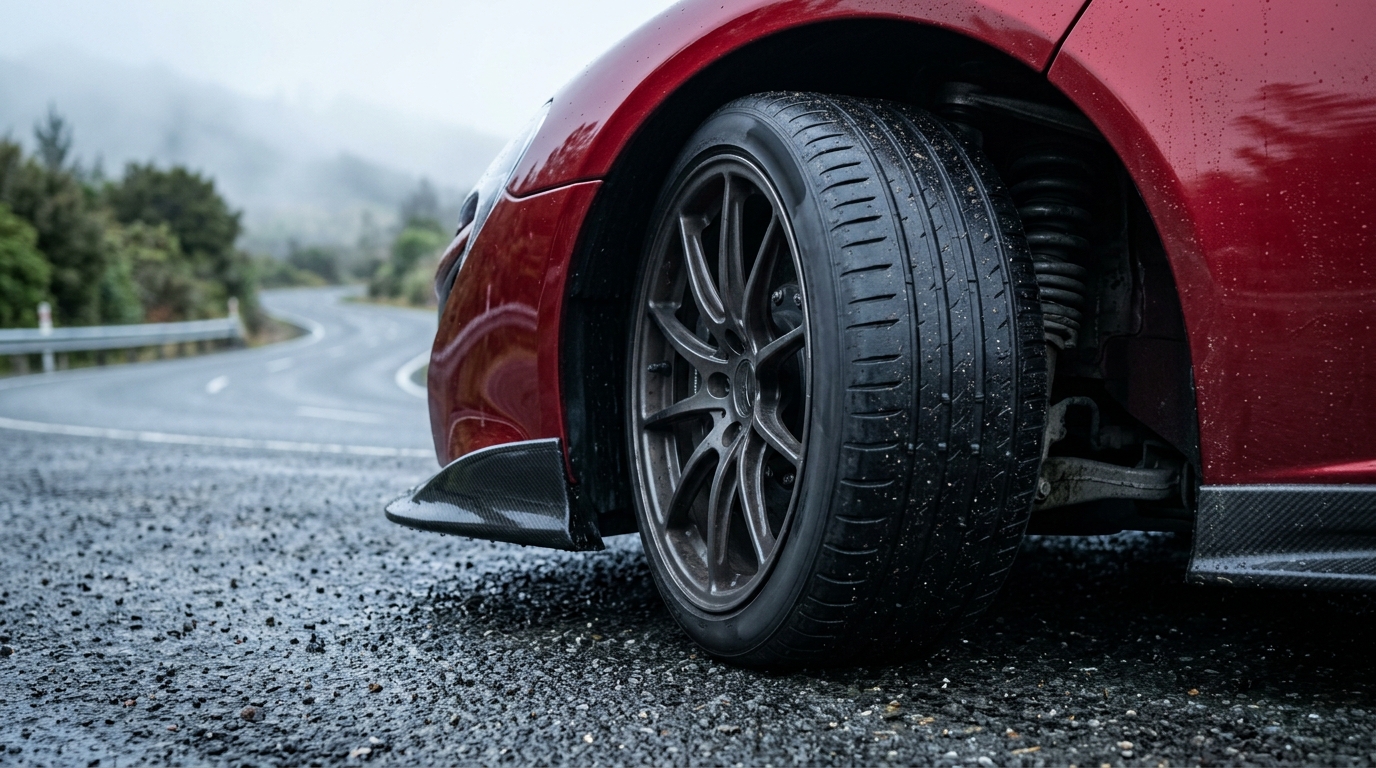
Here is a detail that surprises many first-time drivers: the performance tyres fitted to supercars are designed to work best once they are warm. When they are cold, straight out of a car park on a chilly Canterbury morning, they simply do not grip as well. The first few kilometres of any drive are therefore the least forgiving, even though the car feels ready to go. Add cold, damp tarmac to cold tyres, and the margin shrinks further. The safe approach is simple — treat the opening stretch as a warm-up, keep your inputs gentle, and let both you and the tyres settle before you enjoy the car properly.
Braking Forces You Are Not Ready For
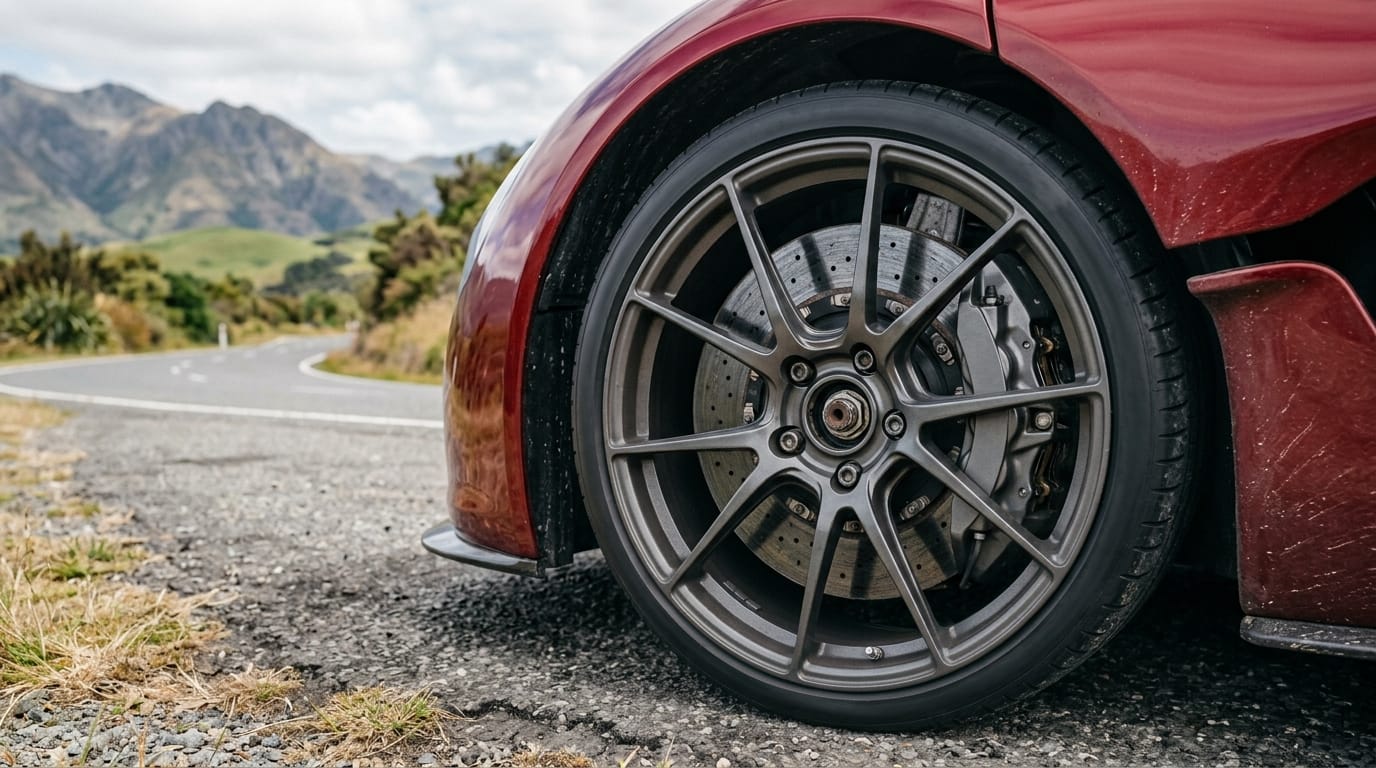
Powerful brakes are one of the most underrated shocks for new supercar drivers. The stopping power is immense, and the deceleration can throw you forward against the seatbelt with real force. Getting used to how early and how firmly you can brake takes time and concentration. It is also worth remembering how speed affects stopping distance and crash forces — the faster you travel, the more distance you need to stop and the greater the forces involved if anything goes wrong.
Electronic Aids Help, But They Are Not Magic
Modern supercars are packed with clever safety technology. Traction control limits wheelspin, stability control helps catch a slide before it becomes a spin, and anti-lock brakes stop the wheels from locking under heavy braking. These systems are genuinely impressive, and they make today’s high-performance cars far more approachable than the raw machines of decades past.
The risk is treating them as a safety net that removes all consequences. Electronic aids can only work within the limits of physics — they cannot create grip that is not there, and they cannot rewrite the laws of momentum. Drive as though the systems are a helpful backup rather than an invitation to push harder, and you get the best of both worlds: the confidence they provide, without the false security that lands drivers in trouble.
Why Everyday Driving Habits Backfire
Most of us drive on autopilot. We rely on habits built over years of commuting, and those habits usually serve us well. In a supercar, some of them work against you. The mindset that keeps you safe is the opposite of relaxed autopilot — it is calm, deliberate, and fully engaged. Watch out for the everyday reflexes that quietly work against you:
- Stabbing the throttle the way you might to merge in a normal car, which can unsettle a far more powerful machine.
- Making quick, casual steering corrections that turn into sudden direction changes at speed.
- Leaving the short following distances you get away with in traffic, when a supercar closes gaps in a heartbeat.
- Relaxing your focus on a familiar road, which is exactly where overconfidence tends to creep in.
This is why preparation genuinely matters. Reading through practical supercar driving tips before your booking helps you replace risky habits with the right ones, so the experience feels exciting rather than overwhelming.
Driving a Supercar Safely Around Christchurch
Christchurch and the wider Canterbury region offer some of the most rewarding driving roads in New Zealand, but they also demand respect. Open country roads, alpine passes, and changeable weather all add variables that a supercar will magnify. The good news is that with the right approach, these same roads become the perfect stage for an unforgettable drive.
Respect the Conditions
Grip changes constantly with the weather. A dry, sunny morning can turn into a cold, damp afternoon, and a supercar feels every bit of that difference. Wet tarmac, loose gravel on rural corners, and low winter sun all reduce your margin for error. If you are planning a cooler-season adventure, our guide to winter supercar drives covers how to plan routes and timing around the conditions so you stay safe and still get the views.
Ease Into the Experience
The best supercar drives are not about chasing top speed. They are about savouring the response, the sound, and the scenery. Start gently. Give yourself time to feel how the car reacts before you ask more of it. Choosing the right route helps enormously, and there are plenty of scenic drives near Christchurch that reward a smooth, measured pace far more than an aggressive one.
A Quick Pre-Drive Checklist
Before you pull away, a few simple checks help you start on the right foot:
- Adjust your seat, mirrors, and steering wheel so you can reach everything comfortably.
- Get familiar with the brake and throttle response while moving slowly, before you build any speed.
- Note where the traction and stability controls are, and leave them switched on.
- Check the weather and road conditions for your route, and plan a relaxed pace.
- Give the tyres and brakes a few kilometres to warm up before asking more of the car.
The Thrill Is Real, and So Is the Responsibility
A supercar handles differently because it is built to do extraordinary things — accelerate harder, corner faster, and stop sooner than almost anything else on the road. Those same qualities are exactly what make it demanding. Once you understand why the car behaves the way it does, the intimidation fades, and genuine enjoyment takes its place. Treat the machine with respect, stay fully engaged, and the result is one of the most exhilarating drives you will ever experience. That is the real reward behind the thrill.